Blog #3
One of the biggest takeaways from this week’s readings was the shift from accommodating learners to intentionally design for inclusion from the start. In our interactive learning resource, which focuses on helping students transition from high school to university, this mindset has been especially important. Instead of assuming an “average learner,” we are trying to design something flexible enough to support a wide range of experiences, abilities and levels of understanding.
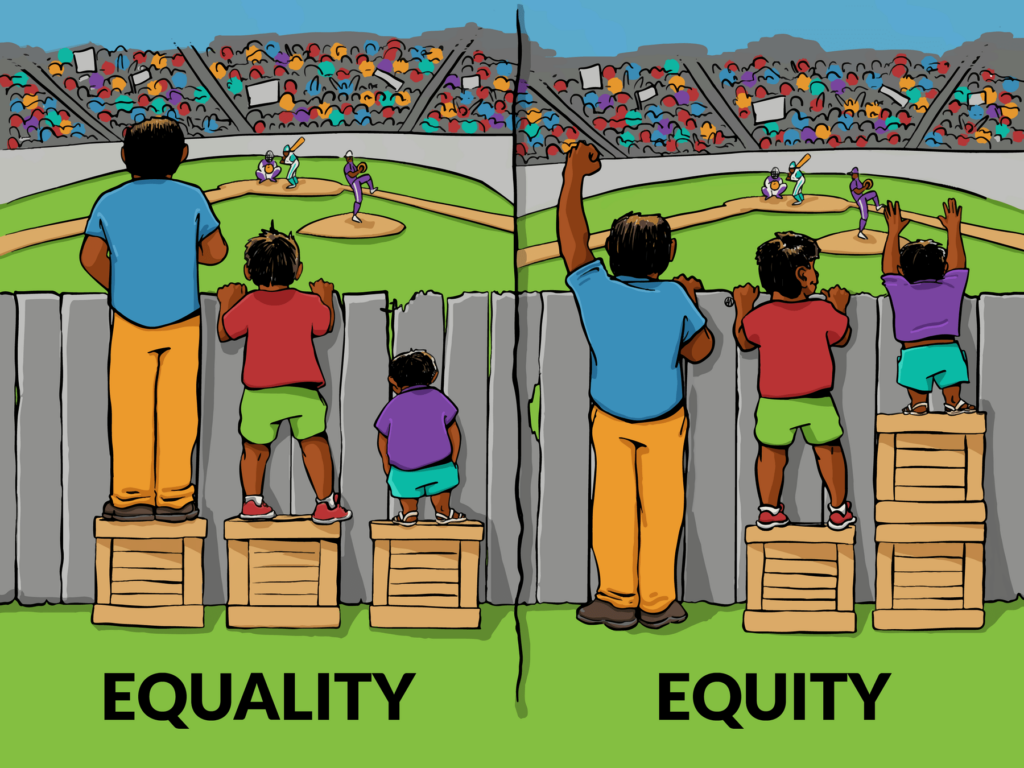
As a student teacher, I feel like UDL has been incorporated into so many of our courses. We are constantly reminded that having a range of different resources, activities, etc is the norm, not. One idea that really stood out to me this week is the distinction between equality and equity. Equality suggests giving everyone the same support, while equity recognizes that learners need different support to succeed. This is similar to an IEP for my dyslexia where I am given different accommodations to help me be on a level playing field to my peers. UDL pushes this thinking even further by asking us to remove barriers altogether, rather than simply adding support after the fact.
From the UBC website on UDL it contains three ideas:
-“Provide multiple means of Engagement”
-“Provide multiple means of Representation”
-“Provide multiple means of Action and Expression”
In my group’s project, this has translated into thinking more intentionally about flexibility. For example, we want students to access content in multiple ways such as written explanations, visuals, and structured templates. We additionally want students to use ways of learning that work best for them, for example in our personalized weekly study schedule activity, students have a choice on how they want to do it. We are also considering different pacing needs by making the resource in steps and self directed. Since the module is technology based, digital tools allow us to embed supports like clear structure, step by step guidance, and opportunities for reflection. These choices align with UDL’s focus on multiple means of representation, engagement, and expression.
As someone who has personally benefited from accessibility support, this topic feels very meaningful. Being both a student and future educator has made me more aware of how often learning environments are typically designed for the “average learner,” which normally does not exist. Teacher education programs place a strong emphasis on inclusive practices, but this week pushed me to think more deeply about how inclusion shows up in design choices.
Ultimately, designing for inclusion is not a checklist but an ongoing process. It requires reflection, flexibility, and a willingness to rethink assumptions about learners. Moving forward, I hope to carry this mindset in both my group’s interactive resource and future classroom.
References:
University of British Columbia. (n.d.). About universal design for learning. UDL Hub.https://udlhub.ubc.ca/about/
Great read!
As a Student teacher, I am sure you have seen UDL functioning is real time! I love that in today’s day and age there has been such great advancements with learner support and availability. I believe that UDL focuses on removing the barrier, allowing learners to not require additional supports. Do you think that we are at a place where a majority of barriers have been removed? Or are we still having to provide additional supports?
Really great post! I am also a student teacher and I have seen how some children need different resources to succeed (pull out or push in support, headphones, wobbly chairs to help with focus etc.). My grade 1 students often see their classmates accessing these resources and want them as well, and it can be challenging to introduce the idea that different people need different things to succeed. The visual of equity and equality that you chose to include is a great one that can be understood by people of any age 🙂